Yes, you can become pregnant after the age of 35. However, fertility may gradually decline with age, and certain pregnancy-related risks can increase. With timely medical guidance, regular check-ups, and proper prenatal care, many women can have a healthy pregnancy after 35.
Pregnancy after 35 may require additional monitoring depending on your health, medical history, and pregnancy condition. Your gynecologist may recommend regular blood tests, ultrasounds, blood pressure and blood sugar monitoring, along with appropriate prenatal screening.
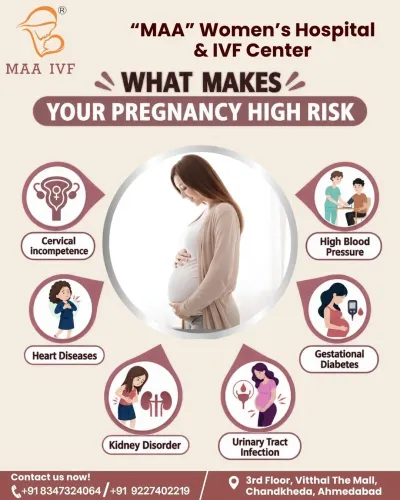
Some risks, such as gestational diabetes, high blood pressure, pre-eclampsia, miscarriage, and certain chromosomal conditions, can become more common with increasing maternal age. However, age alone does not determine pregnancy outcomes.
If you are planning a pregnancy after 35, an early consultation with a gynecologist or pregnancy specialist can help you understand your individual health needs and prepare for a safe and well-monitored pregnancy.
FAQs
1. Can I get pregnant naturally after 35?
Yes. Natural pregnancy is possible after 35, although fertility may decline with age. If you are planning a pregnancy, timely medical advice can be helpful.
2. Does pregnancy after 35 need extra care?
Depending on your health and pregnancy history, your doctor may recommend additional screening and monitoring throughout pregnancy.
3. What should I do before planning a pregnancy after 35?
Schedule a pre-pregnancy consultation, discuss your medical history, follow recommended tests, maintain a healthy lifestyle, and take prenatal supplements only as your doctor advises.
Planning a pregnancy after 35?
Get the right guidance and personalized pregnancy care at “MAA” Women’s Hospital & IVF Center.
Keywords