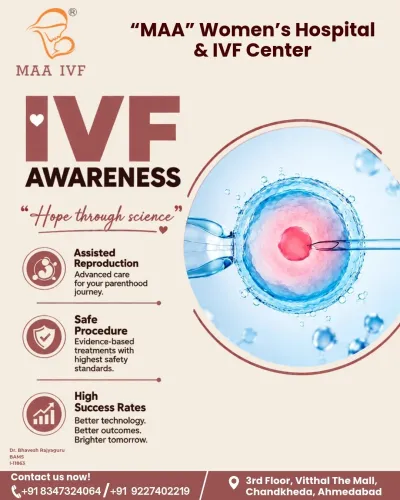
In Vitro Fertilization (IVF) is an assisted reproductive treatment that helps individuals and couples experiencing fertility challenges. The treatment involves several carefully monitored stages, including ovarian stimulation, egg retrieval, fertilization, embryo development, and embryo transfer.
During this journey, maintaining healthy habits and following medical instructions can support overall well-being and help patients manage treatment more comfortably.
If you are undergoing IVF Treatment in Ahmedabad, it's important to understand the recommended precautions and lifestyle practices. From regular medical consultations to balanced nutrition, small daily habits can support your physical and emotional health throughout the process.
Maa Women's Hospital & IVF Center, located in Chandkheda, Ahmedabad, emphasizes the importance of appropriate medical guidance and healthy lifestyle practices during fertility treatment.
Why Is Proper Care Important During IVF Treatment?
IVF involves hormonal medications, medical procedures, and regular monitoring. Following your fertility specialist's instructions helps ensure that treatment progresses according to your individual medical requirements.
Proper IVF Care and Precautions can help patients manage treatment schedules, maintain nutritional health, and recognize symptoms that require medical attention.
Although healthy habits support general reproductive health, they cannot guarantee pregnancy or IVF success. Treatment outcomes depend on several factors, including age, reproductive health, embryo quality, and underlying fertility conditions.
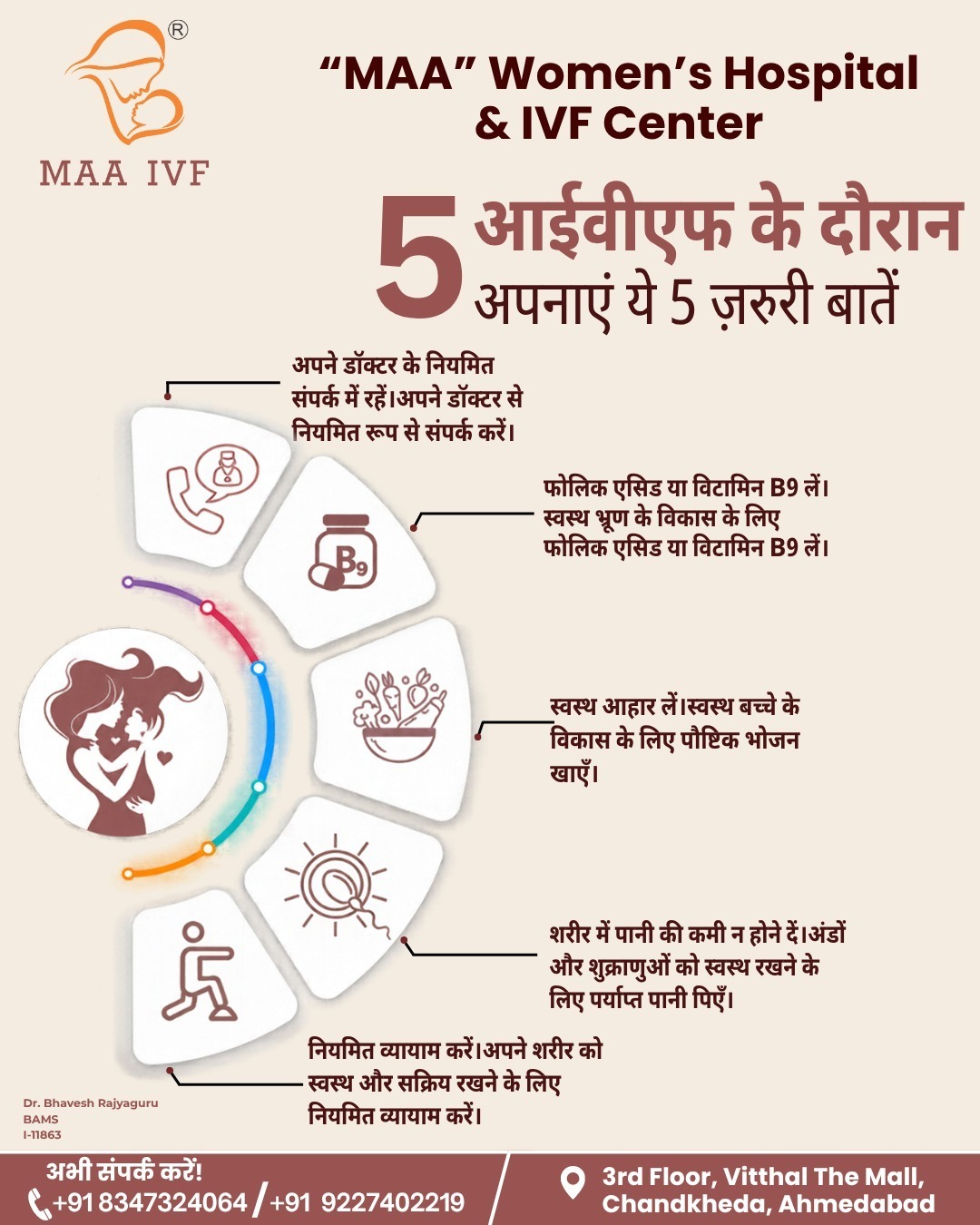
5 Essential Tips to Follow During IVF Treatment
1. Stay in Regular Contact with Your IVF Specialist
Regular medical consultations are a key part of fertility treatment.
During IVF Treatment in Ahmedabad, your doctor may recommend ultrasounds, blood tests, and other assessments to monitor your response to medication.
Following the prescribed appointment schedule lets your fertility specialist evaluate treatment progress and adjust as needed.
Important Tips:
- Attend all scheduled medical appointments.
- Take fertility medications exactly as prescribed.
- Inform your doctor about unusual symptoms or discomfort.
- Discuss any medication changes before making them.
- Follow the recommended treatment and monitoring schedule.
Maintaining clear communication with your IVF Specialist in Ahmedabad helps ensure that your treatment decisions are based on your individual medical needs.
2. Take Folic Acid or Vitamin B9 as Recommended
Folic acid, also known as vitamin B9, is an essential nutrient that supports normal cell growth and development.
Adequate folic acid intake before conception and during early pregnancy helps reduce the risk of neural tube defects in developing babies.
Patients planning pregnancy through IVF are generally advised to maintain appropriate folic acid intake.
Important Tips:
- Take folic acid supplements as directed by your doctor.
- Include folate-rich foods such as leafy vegetables, beans, and lentils.
- Avoid taking additional supplements without medical guidance.
- Ask your fertility specialist about the appropriate dosage.
For most people planning pregnancy, a daily supplement containing 400 micrograms of folic acid is commonly recommended, although some patients require a different dose based on their medical history.
Folic acid supports healthy early fetal development but does not guarantee successful implantation or pregnancy on its own.
3. Follow a Healthy and Balanced Diet
Proper nutrition supports general health throughout fertility treatment.
A balanced Diet During IVF Treatment should provide essential nutrients, including protein, healthy fats, vitamins, minerals, and fiber.
Rather than following restrictive diets or unproven fertility food plans, focus on eating a variety of nutritious foods.
Recommended Food Choices:
- Fresh Vegetables and Fruits: Provide vitamins, minerals, and antioxidants.
- Whole Grains: Offer fiber and sustained energy.
- Protein-Rich Foods: Include lentils, beans, paneer, tofu, and other suitable protein sources.
- Healthy Fats: Include nuts, seeds, and appropriate plant oils.
- Calcium-Rich Foods: Support bone health and overall nutritional requirements.
Limit alcohol, avoid smoking, and discuss caffeine consumption with your fertility specialist. If pregnancy is possible, follow pregnancy-related food safety precautions.
A healthy diet supports overall wellness, although no particular food has been proven to guarantee IVF success.
4. Maintain Proper Hydration Throughout Treatment
Drinking enough water supports normal body functions, circulation, and overall well-being.
During fertility treatment, some patients may experience bloating, fatigue, or mild discomfort related to hormonal changes.
Adequate hydration supports normal physiological functions, but drinking extra water does not directly improve egg quality or embryo implantation.
Important Tips:
- Drink water regularly throughout the day.
- Adjust fluid intake according to activity level and weather.
- Include water-rich fruits and vegetables in your meals.
- Avoid excessive consumption of sugary beverages.
- Follow any specific fluid instructions your doctor provides.
Fluid requirements vary between individuals. Patients experiencing significant abdominal bloating, rapid weight gain, reduced urination, or breathing difficulties should contact their fertility clinic promptly because these can be warning signs of ovarian hyperstimulation syndrome.
5. Practice Gentle Exercise and Maintain a Healthy Lifestyle
Physical activity can help support general fitness, emotional well-being, and healthy sleep patterns during IVF treatment.
However, exercise recommendations may change during different stages of the IVF cycle.
As the ovaries enlarge during stimulation, strenuous activities and high-impact movements may increase the risk of discomfort or ovarian torsion.
Recommended Lifestyle Practices:
- Walk gently when your doctor approves.
- Avoid heavy lifting and intense workouts if your clinic advises against them.
- Maintain a consistent sleep routine.
- Practice relaxation techniques to manage everyday stress.
- Follow activity restrictions before and after medical procedures.
Light physical activity may be appropriate for many patients, but your IVF Specialist in Ahmedabad should guide you based on your treatment stage and individual health.
What Should You Avoid During IVF Treatment?
During IVF treatment, certain precautions can help support reproductive health and minimize potential complications.
1. Smoking and Tobacco: Avoid smoking and tobacco products, as they may negatively affect fertility and overall health.
2. Alcohol Consumption: Refrain from drinking alcohol while undergoing IVF treatment or trying to conceive.
3. Unprescribed Medicines: Do not take medications or supplements without consulting your fertility specialist.
4. Strenuous Exercise: Avoid high-intensity workouts during ovarian stimulation to reduce discomfort and the risk of ovarian torsion.
5. Missing Medication Doses: Take prescribed fertility medications on schedule to prevent disruptions in treatment.
6. Ignoring Unusual Symptoms: Report severe pain, significant bloating, breathing difficulties, or other concerning symptoms to your fertility clinic promptly.
How Can an IVF Center in Chandkheda Help During Fertility Treatment?
Choosing an appropriate IVF Center in Chandkheda can help patients access medical consultations, fertility assessments, and treatment guidance.
An IVF care team may assist with:
- Fertility evaluation and medical history assessment
- Explanation of IVF treatment stages
- Medication and injection guidance
- Monitoring during ovarian stimulation
- Advice on nutrition and physical activity
- Follow-up care after embryo transfer
At Maa Women's Hospital & IVF Center, patients can seek guidance regarding their fertility concerns and discuss appropriate treatment options with the medical team.
Frequently Asked Questions (FAQs)
1. What are the most important precautions during IVF treatment?
Important precautions include following prescribed medications, attending medical appointments, maintaining a balanced diet, avoiding smoking and alcohol, and following your doctor's exercise recommendations.
2. Is folic acid necessary during IVF treatment?
Folic acid is generally recommended for people planning pregnancy because it helps reduce the risk of neural tube defects. Your fertility specialist can recommend an appropriate dose based on your medical needs.
3. Can I exercise during IVF treatment?
Gentle exercise, such as walking, may suit many patients. However, you may need to avoid strenuous activities during ovarian stimulation. Always follow your fertility specialist's instructions.
Contact Maa Women's Hospital & IVF Center to discuss your concerns and learn more about available fertility care.
Keywords